2.586,90 

PRINCE2 Foundation Certification Incl. AI learning assistant ✨

For those who want to take control of their projects using the world’s most recognized project management methodology. With PRINCE2 Foundation, you’ll gain the blueprint for navigating the minefield of project management.

Gain the skills to deliver successful, high-quality projects on time and on budget with a PRINCE2 Foundation certification.
100% Online
|
Learn at your own pace
|
AI Learning Assistant
|
Certification included
|
Languages: Danish & English

You will learn

  • The principles and processes of effective project management.
  • The themes that permeate/ infiltrate the entire project lifecycle.
  • Your role as project manager and how to manage a project using the PRINCE2 methodology.
  • How to plan, organize and manage projects purposefully and efficiently.

What is a PRINCE2® certification?

Thomas Pulawski – Accredited PRINCE2® Trainer

PRINCE2 Foundation certification

PRINCE2 Foundation certification is the world’s most widely used project management methodology. The PRINCE 2 method is based on thorough analysis of thousands of projects. Out of these analyses (case studies), the PRINCE 2 method has proven to be the optimal method to manage projects PRINCE2 Foundation is shaped by real-life projects With a certification in PRINCE2, you can manage projects successfully while avoiding the biggest pitfalls Organisations using the method ensure that all project participants speak the same language and understand each other’s roles and responsibilities With PRINCE2, the whole organisation uses the same model to complete the project This increases the success rate of the project and the final result is significantly better compared to projects managed without the methodology – or by chance It also makes it much easier to compare results from one project with another.

Why you should get certified in Prince2 Foundation

Once you have passed the certification, you will obtain a PRINCE2 Foundation certification. The certification is recognised internationally and is now used by the vast majority of companies With a PRINCE2 Foundation certification, you can document your project management skills worldwide. More about the PRINCE2® certification.

The purpose of the course

PRINCE2 Foundation is the basic training for project managers. After completing the Prince2 online course, you will have the right tools to complete your project. This is true no matter the type or size of your project. You will come to understand the principles and processes behind good project management and you will learn to master the themes that permeate/infiltrate throughout the life of the project. After completing the PRINCE2 elearning course, you will have learned how to manage a project using the method – an effective way to ensure that all participants use a common model and have the same understanding of the project work. The three main benefits of Mentorix’s PRINCE2 online course are:

  • You get step-by-step guidance on managing the costs, time, quality, scope, benefits and risk of projects.
  • Internationally recognized professional certification required to succeed in your role as project manager.
  • Works with Dev Ops, Lean, Change Management, Agile, etc.

Who is this course for?

Whether you have many years of project management experience or no experience at all, you can take this course. A foundation course is relevant for anyone working in project management who wants to improve their skills.

Prerequisites to start the PRINCE2 Foundation course

In this PRINCE2® Foundation course, there are no formal prerequisites. Please note, you learn the PRINCE2 method in the foundation. In addition, there is also a “practitioner” level, which is a more case-based teaching, which aims to learn how to practice the method. Remember, at Mentorix we help you through – Call if you have any questions: +45 72 44 1234.

Are you unemployed and looking for job-oriented training?

If you are going on a course through your job centre, you must choose Project Management with PRINCE2 instead, which is approved on the regional positive list.

Online course

Over the last 10 years, Mentorix has specialised in the production of e-learning long before it became fashionable. We know that digital learning is not about powering flat PDF or Powerpoint files. No, at Mentorix we take advantage of digital opportunities such as apps, games, quizzes, etc. to create learning that you won’t be able to achieve in a classroom. We provide our students with a unique electronic learning experience.

The advantage of online courses?

Company courses

Upskill several colleagues at once.

Do you have several employees in the same organization who need to improve their skills together?

Our combined training programs give your company the opportunity to adapt a training course that fits the specific needs. Together with you, we find the right courses and design a learning process consisting of webinar, online training and classroom training.

We provide employees with flexible and cost-effective training by combining various forms of learning. Fixed costs for travel and accommodation are saved by reducing physical presence in the classroom. Cost-effective training means that more employees get the opportunity to build up new skills to the great benefit of the company.

Contact us for more guidance – and Get a great deal

Your information will be used to contact you and send you relevant training information and a non-binding offer.

FAQ

What does PRINCE2 stand for?

PRINCE2 stands for “PRojects IN Controlled Environments, version 2.” It is a structured project management methodology developed by the UK government to standardize how projects are delivered. PRINCE2 provides principles, themes, and processes that guide teams to run controlled, well-documented projects with clear accountability and measurable outcomes.

What is PRINCE2 certification?

PRINCE2 certification is an internationally recognized qualification that demonstrates knowledge of the PRINCE2 methodology. It is offered at two levels: Foundation, which covers the basics, and Practitioner, which focuses on applying PRINCE2 in real projects. Many employers require or value this certification because it signals structured, process-driven project management competence.

What are the 7 principles of PRINCE2?

The 7 principles of PRINCE2 are the mandatory guidelines applied in every project:

  1. Continued business justification

  2. Learn from experience

  3. Defined roles and responsibilities

  4. Manage by stages

  5. Manage by exception

  6. Focus on products

  7. Tailor to suit the environment

Together, they ensure projects remain viable, controlled, and aligned with organizational goals.

What are the 7 themes of PRINCE2?

The 7 themes of PRINCE2 cover critical areas of project management: Business Case, Organization, Quality, Plans, Risk, Change, and Progress. Each theme provides guidelines for how to manage these aspects throughout the project lifecycle. The themes ensure consistent governance, structured decision-making, and alignment between project outputs and business needs.

What are the 7 processes of PRINCE2?

The 7 processes of PRINCE2 describe the step-by-step progression of a project: Starting Up a Project, Directing a Project, Initiating a Project, Controlling a Stage, Managing Product Delivery, Managing a Stage Boundary, and Closing a Project. These processes provide a logical sequence for planning, executing, and completing projects in a controlled way.

What is PRINCE2 Foundation?

PRINCE2 Foundation is the entry-level certification that introduces the basic principles, themes, and processes of the method. It demonstrates understanding of terminology and concepts but does not assess application in practice. The Foundation level is often a prerequisite for the Practitioner exam and is ideal for team members or aspiring project managers.

What is PRINCE2 Practitioner?

PRINCE2 Practitioner is the advanced level of certification, designed to test your ability to apply PRINCE2 principles and processes in real projects. It builds on the Foundation knowledge and focuses on tailoring the method to different project environments. Practitioner status demonstrates competence in managing projects using PRINCE2.

What is the difference between PRINCE2 Foundation and Practitioner?

PRINCE2 Foundation focuses on understanding concepts and terminology, while Practitioner evaluates practical application. Foundation suits team members or those new to project management, whereas Practitioner is aimed at project managers or professionals who lead projects. Together, they offer both theoretical knowledge and applied competence.

How long does PRINCE2 certification last?

PRINCE2 Foundation certification is valid for life, while PRINCE2 Practitioner certification is valid for three years. After three years, professionals must either re-sit the exam or renew through continuous professional development. This ensures that certified practitioners stay current with evolving best practices in project management.

Is PRINCE2 recognized internationally?

Yes, PRINCE2 is recognized worldwide as one of the leading project management methodologies. It is widely used in Europe, the Middle East, Asia, and increasingly in North America. Its structured approach, scalability, and adaptability make it valuable across industries and borders.

Is PRINCE2 only for IT projects?

No, PRINCE2 is a generic methodology suitable for projects in any industry. Although it has roots in IT, it is used in construction, healthcare, finance, public sector, and more. Its focus on governance, control, and adaptability allows it to be tailored to both small and large projects.

Which industries use PRINCE2?

PRINCE2 is applied across many industries, including IT, government, construction, finance, and healthcare. It is particularly popular in sectors where governance, accountability, and controlled processes are important. Its flexibility makes it useful for both public and private sector projects.

Is PRINCE2 Agile?

PRINCE2 is not inherently Agile, but it can be adapted to work with Agile methods. The official PRINCE2 Agile extension combines PRINCE2 governance with Agile delivery practices. This hybrid approach allows organizations to retain control and accountability while benefiting from flexibility, iterative development, and faster product delivery.

Can PRINCE2 be combined with agile methods?

Yes, PRINCE2 can be combined with agile methods such as Scrum or Kanban. The PRINCE2 Agile framework provides guidance on tailoring governance and control structures to agile delivery teams. This allows organizations to align strategic objectives with agile practices, ensuring both accountability and responsiveness to change.

What is the difference between PRINCE2 and PMP?

PRINCE2 is a methodology offering a structured, process-driven framework, while PMP (Project Management Professional) is a certification based on the PMBOK Guide. PRINCE2 focuses on how to run projects, whereas PMP emphasizes knowledge areas and best practices. Both are internationally recognized but appeal to different regions and industries.

What is the difference between PRINCE2 and IPMA?

PRINCE2 is a methodology with defined processes and principles, while IPMA (International Project Management Association) provides a competence-based framework. PRINCE2 teaches how to manage projects, while IPMA assesses personal and professional competencies. Organizations often use both, with PRINCE2 guiding process management and IPMA supporting skill development.

What is the difference between PRINCE2 and Scrum?

PRINCE2 is a project management methodology focused on governance, control, and overall project delivery, while Scrum is an agile framework designed for product development. PRINCE2 provides top-down structure and accountability, whereas Scrum emphasizes team-level collaboration, iterations, and continuous improvement. They can be combined to deliver both governance and agility.

What is the difference between PRINCE2 and AgilePM?

PRINCE2 is a structured methodology that provides governance for all project types, while AgilePM is a specific agile project management framework based on DSDM. PRINCE2 focuses on principles, themes, and processes, while AgilePM emphasizes iterative delivery and stakeholder collaboration. Both are widely recognized but serve different organizational needs.

What is the difference between a project manager and a product owner?

A project manager oversees the planning, execution, and delivery of a project, ensuring scope, time, and budget are controlled. A product owner, often in agile frameworks, manages the product backlog, prioritizes features, and ensures value delivery. Project managers focus on process governance, while product owners focus on product outcomes.

How much does PRINCE2 certification cost?

The cost of PRINCE2 certification varies by training provider and location. Typically, PRINCE2 Foundation costs around 6,900 with a book, 12 months’ access to the course, and a free re-sit exam. Combined packages from Mentorix are cheaper, and online self-study options often reduce costs.

Can I take PRINCE2 online?

Yes, PRINCE2 exams can be taken online through accredited providers. Candidates take the exam remotely with online proctoring, ensuring identity verification and exam integrity. Online delivery makes PRINCE2 more accessible to professionals worldwide, allowing flexibility in scheduling and preparation.

What is the exam format for PRINCE2 Foundation?

The PRINCE2 Foundation exam is a 60-minute, closed-book test with 60 multiple-choice questions. The passing score is 55%, which means correctly answering 33 out of 60 questions. It focuses on testing knowledge of PRINCE2 concepts, terminology, and methodology basics.

What is the exam format for PRINCE2 Practitioner?

The PRINCE2 Practitioner exam is a 150-minute, open-book test based on a project scenario. It includes 68 objective testing style questions and requires a 55% pass mark. The exam assesses your ability to apply PRINCE2 principles and tailor them to different project environments.

How many questions are in the PRINCE2 exam?

The Foundation exam has 60 multiple-choice questions, while the Practitioner exam has 68 scenario-based questions. Both exams are timed, with 60 minutes for Foundation and 150 minutes for Practitioner. The difference reflects the Practitioner’s focus on applied understanding rather than theory.

What is the passing score for PRINCE2 exams?

The passing score for both PRINCE2 Foundation and Practitioner exams is 55%. This means candidates must correctly answer 33 out of 60 questions at Foundation level, and 38 out of 68 questions at Practitioner level. The threshold ensures solid but accessible competence levels.

How long does the PRINCE2 exam take?

The Foundation exam lasts 60 minutes, while the Practitioner exam is 150 minutes. Both are timed assessments taken under supervision, either online or in a test center. Candidates should manage time carefully, especially in the scenario-based Practitioner exam.

How do I prepare for the PRINCE2 exam?

Effective preparation includes studying the official PRINCE2 manual, completing accredited training, and practicing with sample exams. Foundation candidates should focus on terminology and structure, while Practitioner candidates should work on scenario-based application. Many providers also offer online practice tools and mock tests.

What books should I read for PRINCE2?

The official manual Managing Successful Projects with PRINCE2 is the primary resource. Supplementary guides, practice exam books, and accredited training provider materials can also help. Practitioner candidates often benefit from scenario-based case studies. Using official resources ensures alignment with the exam content.

What happens if I fail the PRINCE2 exam?

If you fail, you can retake the PRINCE2 exam by registering again through your training provider or exam institute. Some providers offer resit packages or exam insurance at a reduced cost. Reviewing weak areas and practicing with mock exams before retaking improves chances of success.

Do I need project management experience before taking PRINCE2?

No prior experience is required for PRINCE2 Foundation, making it suitable for beginners. However, Practitioner candidates must pass Foundation first. While experience helps with practical application, PRINCE2 training is designed to introduce project management systematically.

Is PRINCE2 a good investment for my career?

Yes, PRINCE2 certification is considered a valuable investment for professionals in project management. It enhances employability, demonstrates structured competence, and is recognized across industries worldwide. Many employers prefer or require PRINCE2, making it a strategic step for career progression and salary growth. Try our ROI calculator on the PRINCE2 course landing page.

Who is responsible for project success in PRINCE2?

In PRINCE2, the Project Board holds ultimate responsibility for project success, supported by the Project Manager. The board ensures strategic alignment and continued business justification, while the Project Manager oversees daily management. This shared accountability ensures projects deliver value and remain viable throughout their lifecycle.

What are the roles and responsibilities in PRINCE2?

PRINCE2 defines key roles including the Project Board (Executive, Senior User, Senior Supplier), Project Manager, Team Manager, and Project Assurance. Each role has clearly defined responsibilities to ensure governance, delivery, and stakeholder engagement. This structure avoids confusion, ensures accountability, and strengthens project outcomes.

What is the role of the Project Board in PRINCE2?

The Project Board provides overall direction and control, ensuring the project remains aligned with business objectives. It makes key decisions, approves stages, and ensures resources are available. The board represents senior stakeholders and is ultimately accountable for project success.

What is a business case in PRINCE2?

The business case is the justification for undertaking a project, outlining expected benefits, costs, risks, and timelines. It is maintained throughout the project lifecycle to ensure continued viability. Without a strong business case, PRINCE2 dictates that the project should not proceed.

What is a project mandate in PRINCE2?

The project mandate is the initial document that triggers a project. It contains high-level information about objectives, scope, and reasons for the project. The mandate evolves into a detailed business case and project initiation documentation during the start-up and initiation stages.

What is a project manager?

A project manager is the person responsible for planning, executing, and closing a project. They coordinate resources, manage risks, and ensure the project meets scope, budget, and timeline requirements. In PRINCE2, the project manager works within a defined governance structure to deliver outcomes aligned with business objectives.

What makes a good project manager?

A good project manager combines leadership, communication, and organizational skills with the ability to manage risks and stakeholders. They must balance competing constraints such as time, cost, and quality. Strong decision-making, adaptability, and emotional intelligence help ensure team collaboration and successful delivery of project goals.

What are the key responsibilities of a project manager?

Key responsibilities include defining project scope, creating detailed plans, allocating resources, managing risks, and communicating with stakeholders. They monitor progress and adjust as needed to keep the project on track. In PRINCE2, the project manager ensures compliance with governance processes and delivers outputs that meet business needs.

How do I become a project manager?

You can become a project manager through a combination of education, certifications, and experience. Many start with entry-level roles and gain qualifications such as PRINCE2, PMP, or AgilePM. Building skills in leadership, planning, and stakeholder management is crucial, along with developing hands-on experience in project environments.

What is project management?

Project management is the structured discipline of initiating, planning, executing, and closing projects to meet specific goals. It involves managing scope, time, cost, quality, and risks while balancing stakeholder needs. Frameworks like PRINCE2 provide governance structures to ensure controlled and successful project delivery.

What is project governance?

Project governance is the framework that defines accountability, roles, and decision-making in projects. It ensures alignment with business strategy, consistent reporting, and controlled use of resources. PRINCE2 builds governance into its processes, requiring clear structures such as a Project Board and defined responsibilities at all levels.

What defines a project?

A project is a temporary endeavor undertaken to create a unique product, service, or result. Unlike routine operations, projects have defined start and end dates, clear objectives, and specific deliverables. In PRINCE2, a project must always be justified by a viable business case.

What is the difference between project management and project control?

Project management involves the overall planning and execution of a project, while project control focuses on monitoring progress and ensuring compliance with plans. Control activities include tracking costs, schedules, and risks. In PRINCE2, project control is built into each stage to ensure accountability and decision-making by exception.

What is the project management triangle?

The project management triangle, also called the triple constraint, illustrates the balance between scope, time, and cost. Adjusting one constraint typically affects the others, creating trade-offs. Quality sits at the center, depending on how well the three constraints are balanced. PRINCE2 emphasizes managing by exception within these tolerances.

What is project scope?

Project scope defines the boundaries of what a project will deliver, including its objectives, deliverables, and exclusions. Clear scope prevents scope creep and ensures resources are allocated effectively. In PRINCE2, scope is documented in the project initiation documentation and managed through change control.

What is a deliverable?

A deliverable is a tangible or intangible output produced as part of a project, such as a report, product, or service. Deliverables are agreed upon with stakeholders and measured against acceptance criteria. PRINCE2 uses a product-based planning approach, focusing on clearly defined deliverables.

What is a milestone plan?

A milestone plan identifies key checkpoints in a project where progress is reviewed or decisions are made. Milestones provide a way to track whether the project is on schedule and meeting objectives. PRINCE2 uses stage boundaries as major milestones for governance and control.

What are success criteria in projects?

Success criteria are the measurable outcomes that define whether a project has achieved its objectives. They may include time, cost, quality, stakeholder satisfaction, or business benefits. In PRINCE2, success is tied to continued business justification and meeting the agreed business case.

What is the difference between a project and an operational task?

A project is temporary, with a defined start, end, and unique outcome, while an operational task is ongoing and repetitive. Projects deliver change, whereas operations maintain business as usual. PRINCE2 ensures that projects are distinct from operations but integrated into organizational strategy.

What is a purpose statement in project management?

A purpose statement explains why a project exists and what it aims to achieve. It provides clarity for stakeholders and serves as a reference point for decision-making. In PRINCE2, the purpose is documented in the business case and project initiation documentation.

How much does a project manager earn?

Project manager salaries vary by industry, experience, and country. In Europe, average salaries range from €50,000 to €80,000 annually, with higher pay in IT, finance, and engineering sectors. Certifications like PRINCE2 or PMP often increase earning potential by demonstrating structured competence.

How much does a senior project manager earn?

Senior project managers typically earn between €70,000 and €110,000 annually, depending on sector and location. Their experience in leading complex projects and managing larger teams often commands higher salaries. Advanced certifications such as PRINCE2 Practitioner or MSP can further boost income.

What is the average salary of a project coordinator?

A project coordinator usually earns between €35,000 and €50,000 annually. Coordinators support project managers by handling administrative tasks, tracking progress, and maintaining documentation. The role is often a stepping stone toward becoming a project manager.

What is the average salary of a product owner?

Product owners often earn €55,000–€90,000 annually, reflecting their responsibility for prioritizing backlogs and ensuring product value. Salaries vary by industry, with IT and software typically paying the highest. Certifications in agile frameworks, including PRINCE2 Agile, can enhance earning potential.

Is PRINCE2 certification worth it for salary growth?

Yes, PRINCE2 certification is widely recognized as a driver of salary growth in project management careers. It demonstrates structured, process-driven expertise, which employers value for complex projects. Studies show certified project managers often earn significantly more than non-certified peers.

How do companies use PRINCE2 in practice?

Companies use PRINCE2 to create a consistent, controlled approach to project delivery. It ensures projects start with a strong business case, follow structured processes, and close with documented outcomes. PRINCE2 is tailored to suit project size and industry, making it practical for both large enterprises and smaller organizations.

What are the strengths of PRINCE2?

Strengths of PRINCE2 include its scalability, clear governance structure, and emphasis on accountability. It provides consistent terminology and processes, making collaboration easier across organizations. Its focus on continued business justification ensures projects remain viable and aligned with strategic goals.

What are the weaknesses of PRINCE2?

Weaknesses of PRINCE2 include its perceived rigidity and administrative overhead if applied without tailoring. Some organizations find it too process-heavy for small or fast-paced projects. However, tailoring guidance in PRINCE2 Agile and PRINCE2 7 helps address these challenges.

What are common mistakes in project management?

Common mistakes include poor scope definition, lack of stakeholder engagement, weak risk management, and insufficient communication. Project managers may also fail to tailor methods to the project context. PRINCE2 helps prevent these errors by emphasizing clear roles, structured processes, and accountability.

How does a project manager differ from a program manager?

A project manager focuses on delivering a specific project within scope, time, and budget, while a program manager oversees multiple related projects. Program managers ensure alignment with broader business objectives and coordinate resources across projects. PRINCE2 integrates with MSP (Managing Successful Programmes) for program-level governance.

How can PRINCE2 be tailored to different projects?

PRINCE2 provides tailoring guidance to adjust processes, roles, and documentation based on project size, complexity, and industry. For small projects, documentation may be simplified, while large projects require more rigorous governance. Tailoring ensures PRINCE2 remains flexible and practical.

How does PRINCE2 handle risks?

PRINCE2 includes a dedicated risk theme, requiring systematic identification, assessment, and management of risks throughout the project. Risks are documented, assigned to owners, and tracked against tolerance levels. This structured approach ensures proactive management and supports informed decision-making by the Project Board.


The instructor

Mentorix online PRINCE2 Foundation og practitioner certificering - akkrediteret underviser Kenny Munck
Kenny Munck
Accredited trainer in PRINCE2®, MSP®, MoP® and more.

Kenny Munck has participated in many different projects and at virtually every level from team leader, project manager and program manager to member of steering groups and program committees. He is known as a lively and inspiring speaker who is able to get participants to reflect on opportunities rather than limitations. He teaches PRINCE2®, MSP®, MoP®, P3O® and MoR®.

From 7,400 kr.

excl. VAT

14 days right of withdrawal

Customer service

Get help, advice and

answers to your questions.

Call all weekdays

(+45) 72 44 12 34

[email protected]

See how you can quickly sign up for a course and start upskilling

Do you want to pay by bank transfer, invoice via CVR or EAN number?
We accept several payment methods. Please select invoice payment at checkout and we will process your order immediately.

Do you want to gather several colleagues in one course?
Get training for your entire team – collectively and efficiently. Read more about company courses

You will learn

  • The principles and processes of effective project management.
  • The themes that permeate/ infiltrate the entire project lifecycle.
  • Your role as project manager and how to manage a project using the PRINCE2 methodology.
  • How to plan, organize and manage projects purposefully and efficiently.

What is a PRINCE2® certification?

Thomas Pulawski – Accredited PRINCE2® Trainer

PRINCE2 Foundation certification

PRINCE2 Foundation certification is the world’s most widely used project management methodology. The PRINCE 2 method is based on thorough analysis of thousands of projects. Out of these analyses (case studies), the PRINCE 2 method has proven to be the optimal method to manage projects PRINCE2 Foundation is shaped by real-life projects With a certification in PRINCE2, you can manage projects successfully while avoiding the biggest pitfalls Organisations using the method ensure that all project participants speak the same language and understand each other’s roles and responsibilities With PRINCE2, the whole organisation uses the same model to complete the project This increases the success rate of the project and the final result is significantly better compared to projects managed without the methodology – or by chance It also makes it much easier to compare results from one project with another.

Why you should get certified in Prince2 Foundation

Once you have passed the certification, you will obtain a PRINCE2 Foundation certification. The certification is recognised internationally and is now used by the vast majority of companies With a PRINCE2 Foundation certification, you can document your project management skills worldwide. More about the PRINCE2® certification.

The purpose of the course

PRINCE2 Foundation is the basic training for project managers. After completing the Prince2 online course, you will have the right tools to complete your project. This is true no matter the type or size of your project. You will come to understand the principles and processes behind good project management and you will learn to master the themes that permeate/infiltrate throughout the life of the project. After completing the PRINCE2 elearning course, you will have learned how to manage a project using the method – an effective way to ensure that all participants use a common model and have the same understanding of the project work. The three main benefits of Mentorix’s PRINCE2 online course are:

  • You get step-by-step guidance on managing the costs, time, quality, scope, benefits and risk of projects.
  • Internationally recognized professional certification required to succeed in your role as project manager.
  • Works with Dev Ops, Lean, Change Management, Agile, etc.

Who is this course for?

Whether you have many years of project management experience or no experience at all, you can take this course. A foundation course is relevant for anyone working in project management who wants to improve their skills.

Prerequisites to start the PRINCE2 Foundation course

In this PRINCE2® Foundation course, there are no formal prerequisites. Please note, you learn the PRINCE2 method in the foundation. In addition, there is also a “practitioner” level, which is a more case-based teaching, which aims to learn how to practice the method. Remember, at Mentorix we help you through – Call if you have any questions: +45 72 44 1234.

Are you unemployed and looking for job-oriented training?

If you are going on a course through your job centre, you must choose Project Management with PRINCE2 instead, which is approved on the regional positive list.

Online course

Over the last 10 years, Mentorix has specialised in the production of e-learning long before it became fashionable. We know that digital learning is not about powering flat PDF or Powerpoint files. No, at Mentorix we take advantage of digital opportunities such as apps, games, quizzes, etc. to create learning that you won’t be able to achieve in a classroom. We provide our students with a unique electronic learning experience.

The advantage of online courses?

Company courses

Upskill several colleagues at once.

Do you have several employees in the same organization who need to improve their skills together?

Our combined training programs give your company the opportunity to adapt a training course that fits the specific needs. Together with you, we find the right courses and design a learning process consisting of webinar, online training and classroom training.

We provide employees with flexible and cost-effective training by combining various forms of learning. Fixed costs for travel and accommodation are saved by reducing physical presence in the classroom. Cost-effective training means that more employees get the opportunity to build up new skills to the great benefit of the company.

Contact us for more guidance – and Get a great deal

Your information will be used to contact you and send you relevant training information and a non-binding offer.

FAQ

What does PRINCE2 stand for?

PRINCE2 stands for “PRojects IN Controlled Environments, version 2.” It is a structured project management methodology developed by the UK government to standardize how projects are delivered. PRINCE2 provides principles, themes, and processes that guide teams to run controlled, well-documented projects with clear accountability and measurable outcomes.

What is PRINCE2 certification?

PRINCE2 certification is an internationally recognized qualification that demonstrates knowledge of the PRINCE2 methodology. It is offered at two levels: Foundation, which covers the basics, and Practitioner, which focuses on applying PRINCE2 in real projects. Many employers require or value this certification because it signals structured, process-driven project management competence.

What are the 7 principles of PRINCE2?

The 7 principles of PRINCE2 are the mandatory guidelines applied in every project:

  1. Continued business justification

  2. Learn from experience

  3. Defined roles and responsibilities

  4. Manage by stages

  5. Manage by exception

  6. Focus on products

  7. Tailor to suit the environment

Together, they ensure projects remain viable, controlled, and aligned with organizational goals.

What are the 7 themes of PRINCE2?

The 7 themes of PRINCE2 cover critical areas of project management: Business Case, Organization, Quality, Plans, Risk, Change, and Progress. Each theme provides guidelines for how to manage these aspects throughout the project lifecycle. The themes ensure consistent governance, structured decision-making, and alignment between project outputs and business needs.

What are the 7 processes of PRINCE2?

The 7 processes of PRINCE2 describe the step-by-step progression of a project: Starting Up a Project, Directing a Project, Initiating a Project, Controlling a Stage, Managing Product Delivery, Managing a Stage Boundary, and Closing a Project. These processes provide a logical sequence for planning, executing, and completing projects in a controlled way.

What is PRINCE2 Foundation?

PRINCE2 Foundation is the entry-level certification that introduces the basic principles, themes, and processes of the method. It demonstrates understanding of terminology and concepts but does not assess application in practice. The Foundation level is often a prerequisite for the Practitioner exam and is ideal for team members or aspiring project managers.

What is PRINCE2 Practitioner?

PRINCE2 Practitioner is the advanced level of certification, designed to test your ability to apply PRINCE2 principles and processes in real projects. It builds on the Foundation knowledge and focuses on tailoring the method to different project environments. Practitioner status demonstrates competence in managing projects using PRINCE2.

What is the difference between PRINCE2 Foundation and Practitioner?

PRINCE2 Foundation focuses on understanding concepts and terminology, while Practitioner evaluates practical application. Foundation suits team members or those new to project management, whereas Practitioner is aimed at project managers or professionals who lead projects. Together, they offer both theoretical knowledge and applied competence.

How long does PRINCE2 certification last?

PRINCE2 Foundation certification is valid for life, while PRINCE2 Practitioner certification is valid for three years. After three years, professionals must either re-sit the exam or renew through continuous professional development. This ensures that certified practitioners stay current with evolving best practices in project management.

Is PRINCE2 recognized internationally?

Yes, PRINCE2 is recognized worldwide as one of the leading project management methodologies. It is widely used in Europe, the Middle East, Asia, and increasingly in North America. Its structured approach, scalability, and adaptability make it valuable across industries and borders.

Is PRINCE2 only for IT projects?

No, PRINCE2 is a generic methodology suitable for projects in any industry. Although it has roots in IT, it is used in construction, healthcare, finance, public sector, and more. Its focus on governance, control, and adaptability allows it to be tailored to both small and large projects.

Which industries use PRINCE2?

PRINCE2 is applied across many industries, including IT, government, construction, finance, and healthcare. It is particularly popular in sectors where governance, accountability, and controlled processes are important. Its flexibility makes it useful for both public and private sector projects.

Is PRINCE2 Agile?

PRINCE2 is not inherently Agile, but it can be adapted to work with Agile methods. The official PRINCE2 Agile extension combines PRINCE2 governance with Agile delivery practices. This hybrid approach allows organizations to retain control and accountability while benefiting from flexibility, iterative development, and faster product delivery.

Can PRINCE2 be combined with agile methods?

Yes, PRINCE2 can be combined with agile methods such as Scrum or Kanban. The PRINCE2 Agile framework provides guidance on tailoring governance and control structures to agile delivery teams. This allows organizations to align strategic objectives with agile practices, ensuring both accountability and responsiveness to change.

What is the difference between PRINCE2 and PMP?

PRINCE2 is a methodology offering a structured, process-driven framework, while PMP (Project Management Professional) is a certification based on the PMBOK Guide. PRINCE2 focuses on how to run projects, whereas PMP emphasizes knowledge areas and best practices. Both are internationally recognized but appeal to different regions and industries.

What is the difference between PRINCE2 and IPMA?

PRINCE2 is a methodology with defined processes and principles, while IPMA (International Project Management Association) provides a competence-based framework. PRINCE2 teaches how to manage projects, while IPMA assesses personal and professional competencies. Organizations often use both, with PRINCE2 guiding process management and IPMA supporting skill development.

What is the difference between PRINCE2 and Scrum?

PRINCE2 is a project management methodology focused on governance, control, and overall project delivery, while Scrum is an agile framework designed for product development. PRINCE2 provides top-down structure and accountability, whereas Scrum emphasizes team-level collaboration, iterations, and continuous improvement. They can be combined to deliver both governance and agility.

What is the difference between PRINCE2 and AgilePM?

PRINCE2 is a structured methodology that provides governance for all project types, while AgilePM is a specific agile project management framework based on DSDM. PRINCE2 focuses on principles, themes, and processes, while AgilePM emphasizes iterative delivery and stakeholder collaboration. Both are widely recognized but serve different organizational needs.

What is the difference between a project manager and a product owner?

A project manager oversees the planning, execution, and delivery of a project, ensuring scope, time, and budget are controlled. A product owner, often in agile frameworks, manages the product backlog, prioritizes features, and ensures value delivery. Project managers focus on process governance, while product owners focus on product outcomes.

How much does PRINCE2 certification cost?

The cost of PRINCE2 certification varies by training provider and location. Typically, PRINCE2 Foundation costs around 6,900 with a book, 12 months’ access to the course, and a free re-sit exam. Combined packages from Mentorix are cheaper, and online self-study options often reduce costs.

Can I take PRINCE2 online?

Yes, PRINCE2 exams can be taken online through accredited providers. Candidates take the exam remotely with online proctoring, ensuring identity verification and exam integrity. Online delivery makes PRINCE2 more accessible to professionals worldwide, allowing flexibility in scheduling and preparation.

What is the exam format for PRINCE2 Foundation?

The PRINCE2 Foundation exam is a 60-minute, closed-book test with 60 multiple-choice questions. The passing score is 55%, which means correctly answering 33 out of 60 questions. It focuses on testing knowledge of PRINCE2 concepts, terminology, and methodology basics.

What is the exam format for PRINCE2 Practitioner?

The PRINCE2 Practitioner exam is a 150-minute, open-book test based on a project scenario. It includes 68 objective testing style questions and requires a 55% pass mark. The exam assesses your ability to apply PRINCE2 principles and tailor them to different project environments.

How many questions are in the PRINCE2 exam?

The Foundation exam has 60 multiple-choice questions, while the Practitioner exam has 68 scenario-based questions. Both exams are timed, with 60 minutes for Foundation and 150 minutes for Practitioner. The difference reflects the Practitioner’s focus on applied understanding rather than theory.

What is the passing score for PRINCE2 exams?

The passing score for both PRINCE2 Foundation and Practitioner exams is 55%. This means candidates must correctly answer 33 out of 60 questions at Foundation level, and 38 out of 68 questions at Practitioner level. The threshold ensures solid but accessible competence levels.

How long does the PRINCE2 exam take?

The Foundation exam lasts 60 minutes, while the Practitioner exam is 150 minutes. Both are timed assessments taken under supervision, either online or in a test center. Candidates should manage time carefully, especially in the scenario-based Practitioner exam.

How do I prepare for the PRINCE2 exam?

Effective preparation includes studying the official PRINCE2 manual, completing accredited training, and practicing with sample exams. Foundation candidates should focus on terminology and structure, while Practitioner candidates should work on scenario-based application. Many providers also offer online practice tools and mock tests.

What books should I read for PRINCE2?

The official manual Managing Successful Projects with PRINCE2 is the primary resource. Supplementary guides, practice exam books, and accredited training provider materials can also help. Practitioner candidates often benefit from scenario-based case studies. Using official resources ensures alignment with the exam content.

What happens if I fail the PRINCE2 exam?

If you fail, you can retake the PRINCE2 exam by registering again through your training provider or exam institute. Some providers offer resit packages or exam insurance at a reduced cost. Reviewing weak areas and practicing with mock exams before retaking improves chances of success.

Do I need project management experience before taking PRINCE2?

No prior experience is required for PRINCE2 Foundation, making it suitable for beginners. However, Practitioner candidates must pass Foundation first. While experience helps with practical application, PRINCE2 training is designed to introduce project management systematically.

Is PRINCE2 a good investment for my career?

Yes, PRINCE2 certification is considered a valuable investment for professionals in project management. It enhances employability, demonstrates structured competence, and is recognized across industries worldwide. Many employers prefer or require PRINCE2, making it a strategic step for career progression and salary growth. Try our ROI calculator on the PRINCE2 course landing page.

Who is responsible for project success in PRINCE2?

In PRINCE2, the Project Board holds ultimate responsibility for project success, supported by the Project Manager. The board ensures strategic alignment and continued business justification, while the Project Manager oversees daily management. This shared accountability ensures projects deliver value and remain viable throughout their lifecycle.

What are the roles and responsibilities in PRINCE2?

PRINCE2 defines key roles including the Project Board (Executive, Senior User, Senior Supplier), Project Manager, Team Manager, and Project Assurance. Each role has clearly defined responsibilities to ensure governance, delivery, and stakeholder engagement. This structure avoids confusion, ensures accountability, and strengthens project outcomes.

What is the role of the Project Board in PRINCE2?

The Project Board provides overall direction and control, ensuring the project remains aligned with business objectives. It makes key decisions, approves stages, and ensures resources are available. The board represents senior stakeholders and is ultimately accountable for project success.

What is a business case in PRINCE2?

The business case is the justification for undertaking a project, outlining expected benefits, costs, risks, and timelines. It is maintained throughout the project lifecycle to ensure continued viability. Without a strong business case, PRINCE2 dictates that the project should not proceed.

What is a project mandate in PRINCE2?

The project mandate is the initial document that triggers a project. It contains high-level information about objectives, scope, and reasons for the project. The mandate evolves into a detailed business case and project initiation documentation during the start-up and initiation stages.

What is a project manager?

A project manager is the person responsible for planning, executing, and closing a project. They coordinate resources, manage risks, and ensure the project meets scope, budget, and timeline requirements. In PRINCE2, the project manager works within a defined governance structure to deliver outcomes aligned with business objectives.

What makes a good project manager?

A good project manager combines leadership, communication, and organizational skills with the ability to manage risks and stakeholders. They must balance competing constraints such as time, cost, and quality. Strong decision-making, adaptability, and emotional intelligence help ensure team collaboration and successful delivery of project goals.

What are the key responsibilities of a project manager?

Key responsibilities include defining project scope, creating detailed plans, allocating resources, managing risks, and communicating with stakeholders. They monitor progress and adjust as needed to keep the project on track. In PRINCE2, the project manager ensures compliance with governance processes and delivers outputs that meet business needs.

How do I become a project manager?

You can become a project manager through a combination of education, certifications, and experience. Many start with entry-level roles and gain qualifications such as PRINCE2, PMP, or AgilePM. Building skills in leadership, planning, and stakeholder management is crucial, along with developing hands-on experience in project environments.

What is project management?

Project management is the structured discipline of initiating, planning, executing, and closing projects to meet specific goals. It involves managing scope, time, cost, quality, and risks while balancing stakeholder needs. Frameworks like PRINCE2 provide governance structures to ensure controlled and successful project delivery.

What is project governance?

Project governance is the framework that defines accountability, roles, and decision-making in projects. It ensures alignment with business strategy, consistent reporting, and controlled use of resources. PRINCE2 builds governance into its processes, requiring clear structures such as a Project Board and defined responsibilities at all levels.

What defines a project?

A project is a temporary endeavor undertaken to create a unique product, service, or result. Unlike routine operations, projects have defined start and end dates, clear objectives, and specific deliverables. In PRINCE2, a project must always be justified by a viable business case.

What is the difference between project management and project control?

Project management involves the overall planning and execution of a project, while project control focuses on monitoring progress and ensuring compliance with plans. Control activities include tracking costs, schedules, and risks. In PRINCE2, project control is built into each stage to ensure accountability and decision-making by exception.

What is the project management triangle?

The project management triangle, also called the triple constraint, illustrates the balance between scope, time, and cost. Adjusting one constraint typically affects the others, creating trade-offs. Quality sits at the center, depending on how well the three constraints are balanced. PRINCE2 emphasizes managing by exception within these tolerances.

What is project scope?

Project scope defines the boundaries of what a project will deliver, including its objectives, deliverables, and exclusions. Clear scope prevents scope creep and ensures resources are allocated effectively. In PRINCE2, scope is documented in the project initiation documentation and managed through change control.

What is a deliverable?

A deliverable is a tangible or intangible output produced as part of a project, such as a report, product, or service. Deliverables are agreed upon with stakeholders and measured against acceptance criteria. PRINCE2 uses a product-based planning approach, focusing on clearly defined deliverables.

What is a milestone plan?

A milestone plan identifies key checkpoints in a project where progress is reviewed or decisions are made. Milestones provide a way to track whether the project is on schedule and meeting objectives. PRINCE2 uses stage boundaries as major milestones for governance and control.

What are success criteria in projects?

Success criteria are the measurable outcomes that define whether a project has achieved its objectives. They may include time, cost, quality, stakeholder satisfaction, or business benefits. In PRINCE2, success is tied to continued business justification and meeting the agreed business case.

What is the difference between a project and an operational task?

A project is temporary, with a defined start, end, and unique outcome, while an operational task is ongoing and repetitive. Projects deliver change, whereas operations maintain business as usual. PRINCE2 ensures that projects are distinct from operations but integrated into organizational strategy.

What is a purpose statement in project management?

A purpose statement explains why a project exists and what it aims to achieve. It provides clarity for stakeholders and serves as a reference point for decision-making. In PRINCE2, the purpose is documented in the business case and project initiation documentation.

How much does a project manager earn?

Project manager salaries vary by industry, experience, and country. In Europe, average salaries range from €50,000 to €80,000 annually, with higher pay in IT, finance, and engineering sectors. Certifications like PRINCE2 or PMP often increase earning potential by demonstrating structured competence.

How much does a senior project manager earn?

Senior project managers typically earn between €70,000 and €110,000 annually, depending on sector and location. Their experience in leading complex projects and managing larger teams often commands higher salaries. Advanced certifications such as PRINCE2 Practitioner or MSP can further boost income.

What is the average salary of a project coordinator?

A project coordinator usually earns between €35,000 and €50,000 annually. Coordinators support project managers by handling administrative tasks, tracking progress, and maintaining documentation. The role is often a stepping stone toward becoming a project manager.

What is the average salary of a product owner?

Product owners often earn €55,000–€90,000 annually, reflecting their responsibility for prioritizing backlogs and ensuring product value. Salaries vary by industry, with IT and software typically paying the highest. Certifications in agile frameworks, including PRINCE2 Agile, can enhance earning potential.

Is PRINCE2 certification worth it for salary growth?

Yes, PRINCE2 certification is widely recognized as a driver of salary growth in project management careers. It demonstrates structured, process-driven expertise, which employers value for complex projects. Studies show certified project managers often earn significantly more than non-certified peers.

How do companies use PRINCE2 in practice?

Companies use PRINCE2 to create a consistent, controlled approach to project delivery. It ensures projects start with a strong business case, follow structured processes, and close with documented outcomes. PRINCE2 is tailored to suit project size and industry, making it practical for both large enterprises and smaller organizations.

What are the strengths of PRINCE2?

Strengths of PRINCE2 include its scalability, clear governance structure, and emphasis on accountability. It provides consistent terminology and processes, making collaboration easier across organizations. Its focus on continued business justification ensures projects remain viable and aligned with strategic goals.

What are the weaknesses of PRINCE2?

Weaknesses of PRINCE2 include its perceived rigidity and administrative overhead if applied without tailoring. Some organizations find it too process-heavy for small or fast-paced projects. However, tailoring guidance in PRINCE2 Agile and PRINCE2 7 helps address these challenges.

What are common mistakes in project management?

Common mistakes include poor scope definition, lack of stakeholder engagement, weak risk management, and insufficient communication. Project managers may also fail to tailor methods to the project context. PRINCE2 helps prevent these errors by emphasizing clear roles, structured processes, and accountability.

How does a project manager differ from a program manager?

A project manager focuses on delivering a specific project within scope, time, and budget, while a program manager oversees multiple related projects. Program managers ensure alignment with broader business objectives and coordinate resources across projects. PRINCE2 integrates with MSP (Managing Successful Programmes) for program-level governance.

How can PRINCE2 be tailored to different projects?

PRINCE2 provides tailoring guidance to adjust processes, roles, and documentation based on project size, complexity, and industry. For small projects, documentation may be simplified, while large projects require more rigorous governance. Tailoring ensures PRINCE2 remains flexible and practical.

How does PRINCE2 handle risks?

PRINCE2 includes a dedicated risk theme, requiring systematic identification, assessment, and management of risks throughout the project. Risks are documented, assigned to owners, and tracked against tolerance levels. This structured approach ensures proactive management and supports informed decision-making by the Project Board.
See how much you can earn after certification

We do not store your information. This is 100% anonymous.

About the trainer

Mentorix online PRINCE2 Foundation og practitioner certificering - akkrediteret underviser Kenny Munck
Kenny Munck
Accredited trainer in PRINCE2®, MSP®, MoP® and more.

Kenny Munck has participated in many different projects and at virtually every level from team leader, project manager and program manager to member of steering groups and program committees. He is known as a lively and inspiring speaker who is able to get participants to reflect on opportunities rather than limitations. He teaches PRINCE2®, MSP®, MoP®, P3O® and MoR®.

Included in the course

Price range: 603,16 € through 1.192,92 €

ex. vat

Do you want to pay by bank transfer, invoice via CVR or EAN number?
We accept several payment methods. Please select invoice payment at checkout and we will process your order immediately.

See how you can quickly sign up for a course and start upskilling

Customer service

Get help, advice and

answers to your questions.

Call all weekdays

(+45) 72 44 12 34

[email protected]

Choose your course

Exam voucher

Exam only – for those who are already prepared and just need certification.

4.500 DKK ex. VAT

Exams

Course bundle

A complete preparation that includes e-learning, official manual and certification

7,400 kr. ex. vat

Best value

E-learning

Course bundle PLUS

All in Course bundle Plus: secure preparation with free re-exam included.

8,900 kr. ex. vat

E-learning

Get a smarter learning experience with our AI Learning Assistant

We know your time is valuable. That's why we've integrated an advanced AI Learning Assistant directly into our platform.
It's not just a chatbot - it's your personal tutor that helps you get the most out of your course.

We've made it simpler for you to get certified

When you enroll in one of our courses, you get much more than just access to learning material – you get an intelligent learning partner in your course. We’ve integrated an advanced AI Learning Assistant to ensure you never get stuck in the material.

It gives you:

Reply in seconds across all content

No more manually searching through a book. Ask a question and our AI will find accurate answers in everything from instructional videos and presentations to PDFs and Word documents in your course.

Quickly find the right answer in the video material

Our courses are built around video, and the AI finds the exact point in a video where a topic is explained. You just click and the video starts in the right place. No need to fast forward and rewind.

Personalized learning path

The assistant is available around the clock. If you can't find an in-depth explanation of a difficult concept or need a quick summary of a lesson, help is always at hand.

A vibrant and modern platform

You join a platform where technology works for you. This makes it easier and more fun to achieve your new knowledge.

Course content

PRINCE2® Foundation

  • Introduction
  • PRINCE2® with Project Management
  • The PRINCE2® Principles
  • Adaptation and implementation of PRINCE2
  • PRINCE2® Themes (Business Case – Organization – Quality – Plans – Risk – Change – Progress).
  • PRINCE2® Processes (Starting a project – Managing a project – Initiating a project – Managing a phase – Managing product deliverables – Managing a phase transition – Closing a project)
  • Organisational implementation considerations
  • Exercises
  • Sample test

Official exam

Official PRINCE2® Online Exam

  • The exam is taken without aids
  • 60 questions – multiple choice
  • 60 minutes
  • You must answer 33 questions correctly to pass the exam. (55 %)
  • One correct answer for each question

Passing the exam results in the official PRINCE2® foundation certification.

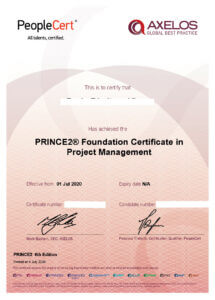
Mentorix - PRINCE2 foundation Certificate example Peoplecert AXELOS certificate EXAMPLE
Example of a certificate

Important to know when taking our courses

Our courses are 100% online.
You start right away and take classes when it suits you.
There are no classes, no attendance requirements and no fixed times.
Exams are also taken online – with time options as short as 48 hours notice.

What our students say?

FAQ - Find the answer to your questions here

About PRINCE2

What does PRINCE2 stand for?

PRINCE2 stands for “PRojects IN Controlled Environments, version 2.” It is a structured project management methodology developed by the UK government to standardize how projects are delivered. PRINCE2 provides principles, themes, and processes that guide teams to run controlled, well-documented projects with clear accountability and measurable outcomes.

What is PRINCE2 certification?

PRINCE2 certification is an internationally recognized qualification that demonstrates knowledge of the PRINCE2 methodology. It is offered at two levels: Foundation, which covers the basics, and Practitioner, which focuses on applying PRINCE2 in real projects. Many employers require or value this certification because it signals structured, process-driven project management competence.

What are the 7 principles of PRINCE2?

The 7 principles of PRINCE2 are the mandatory guidelines applied in every project:

  1. Continued business justification

  2. Learn from experience

  3. Defined roles and responsibilities

  4. Manage by stages

  5. Manage by exception

  6. Focus on products

  7. Tailor to suit the environment

Together, they ensure projects remain viable, controlled, and aligned with organizational goals.

What are the 7 themes of PRINCE2?

The 7 themes of PRINCE2 cover critical areas of project management: Business Case, Organization, Quality, Plans, Risk, Change, and Progress. Each theme provides guidelines for how to manage these aspects throughout the project lifecycle. The themes ensure consistent governance, structured decision-making, and alignment between project outputs and business needs.

What are the 7 processes of PRINCE2?

The 7 processes of PRINCE2 describe the step-by-step progression of a project: Starting Up a Project, Directing a Project, Initiating a Project, Controlling a Stage, Managing Product Delivery, Managing a Stage Boundary, and Closing a Project. These processes provide a logical sequence for planning, executing, and completing projects in a controlled way.

What is PRINCE2 Foundation?

PRINCE2 Foundation is the entry-level certification that introduces the basic principles, themes, and processes of the method. It demonstrates understanding of terminology and concepts but does not assess application in practice. The Foundation level is often a prerequisite for the Practitioner exam and is ideal for team members or aspiring project managers.

What is PRINCE2 Practitioner?

PRINCE2 Practitioner is the advanced level of certification, designed to test your ability to apply PRINCE2 principles and processes in real projects. It builds on the Foundation knowledge and focuses on tailoring the method to different project environments. Practitioner status demonstrates competence in managing projects using PRINCE2.

What is the difference between PRINCE2 Foundation and Practitioner?

PRINCE2 Foundation focuses on understanding concepts and terminology, while Practitioner evaluates practical application. Foundation suits team members or those new to project management, whereas Practitioner is aimed at project managers or professionals who lead projects. Together, they offer both theoretical knowledge and applied competence.

How long does PRINCE2 certification last?

PRINCE2 Foundation certification is valid for life, while PRINCE2 Practitioner certification is valid for three years. After three years, professionals must either re-sit the exam or renew through continuous professional development. This ensures that certified practitioners stay current with evolving best practices in project management.

Is PRINCE2 recognized internationally?

Yes, PRINCE2 is recognized worldwide as one of the leading project management methodologies. It is widely used in Europe, the Middle East, Asia, and increasingly in North America. Its structured approach, scalability, and adaptability make it valuable across industries and borders.

Is PRINCE2 only for IT projects?

No, PRINCE2 is a generic methodology suitable for projects in any industry. Although it has roots in IT, it is used in construction, healthcare, finance, public sector, and more. Its focus on governance, control, and adaptability allows it to be tailored to both small and large projects.

Which industries use PRINCE2?

PRINCE2 is applied across many industries, including IT, government, construction, finance, and healthcare. It is particularly popular in sectors where governance, accountability, and controlled processes are important. Its flexibility makes it useful for both public and private sector projects.

Is PRINCE2 Agile?

PRINCE2 is not inherently Agile, but it can be adapted to work with Agile methods. The official PRINCE2 Agile extension combines PRINCE2 governance with Agile delivery practices. This hybrid approach allows organizations to retain control and accountability while benefiting from flexibility, iterative development, and faster product delivery.

Can PRINCE2 be combined with agile methods?

Yes, PRINCE2 can be combined with agile methods such as Scrum or Kanban. The PRINCE2 Agile framework provides guidance on tailoring governance and control structures to agile delivery teams. This allows organizations to align strategic objectives with agile practices, ensuring both accountability and responsiveness to change.

What is the difference between PRINCE2 and PMP?

PRINCE2 is a methodology offering a structured, process-driven framework, while PMP (Project Management Professional) is a certification based on the PMBOK Guide. PRINCE2 focuses on how to run projects, whereas PMP emphasizes knowledge areas and best practices. Both are internationally recognized but appeal to different regions and industries.

What is the difference between PRINCE2 and IPMA?

PRINCE2 is a methodology with defined processes and principles, while IPMA (International Project Management Association) provides a competence-based framework. PRINCE2 teaches how to manage projects, while IPMA assesses personal and professional competencies. Organizations often use both, with PRINCE2 guiding process management and IPMA supporting skill development.

What is the difference between PRINCE2 and Scrum?

PRINCE2 is a project management methodology focused on governance, control, and overall project delivery, while Scrum is an agile framework designed for product development. PRINCE2 provides top-down structure and accountability, whereas Scrum emphasizes team-level collaboration, iterations, and continuous improvement. They can be combined to deliver both governance and agility.

What is the difference between PRINCE2 and AgilePM?

PRINCE2 is a structured methodology that provides governance for all project types, while AgilePM is a specific agile project management framework based on DSDM. PRINCE2 focuses on principles, themes, and processes, while AgilePM emphasizes iterative delivery and stakeholder collaboration. Both are widely recognized but serve different organizational needs.

What is the difference between a project manager and a product owner?

A project manager oversees the planning, execution, and delivery of a project, ensuring scope, time, and budget are controlled. A product owner, often in agile frameworks, manages the product backlog, prioritizes features, and ensures value delivery. Project managers focus on process governance, while product owners focus on product outcomes.

How much does PRINCE2 certification cost?

The cost of PRINCE2 certification varies by training provider and location. Typically, PRINCE2 Foundation costs around 6,900 with a book, 12 months’ access to the course, and a free re-sit exam. Combined packages from Mentorix are cheaper, and online self-study options often reduce costs.

Can I take PRINCE2 online?

Yes, PRINCE2 exams can be taken online through accredited providers. Candidates take the exam remotely with online proctoring, ensuring identity verification and exam integrity. Online delivery makes PRINCE2 more accessible to professionals worldwide, allowing flexibility in scheduling and preparation.

What is the exam format for PRINCE2 Foundation?

The PRINCE2 Foundation exam is a 60-minute, closed-book test with 60 multiple-choice questions. The passing score is 55%, which means correctly answering 33 out of 60 questions. It focuses on testing knowledge of PRINCE2 concepts, terminology, and methodology basics.

What is the exam format for PRINCE2 Practitioner?

The PRINCE2 Practitioner exam is a 150-minute, open-book test based on a project scenario. It includes 68 objective testing style questions and requires a 55% pass mark. The exam assesses your ability to apply PRINCE2 principles and tailor them to different project environments.

How many questions are in the PRINCE2 exam?

The Foundation exam has 60 multiple-choice questions, while the Practitioner exam has 68 scenario-based questions. Both exams are timed, with 60 minutes for Foundation and 150 minutes for Practitioner. The difference reflects the Practitioner’s focus on applied understanding rather than theory.

What is the passing score for PRINCE2 exams?

The passing score for both PRINCE2 Foundation and Practitioner exams is 55%. This means candidates must correctly answer 33 out of 60 questions at Foundation level, and 38 out of 68 questions at Practitioner level. The threshold ensures solid but accessible competence levels.

How long does the PRINCE2 exam take?

The Foundation exam lasts 60 minutes, while the Practitioner exam is 150 minutes. Both are timed assessments taken under supervision, either online or in a test center. Candidates should manage time carefully, especially in the scenario-based Practitioner exam.

How do I prepare for the PRINCE2 exam?

Effective preparation includes studying the official PRINCE2 manual, completing accredited training, and practicing with sample exams. Foundation candidates should focus on terminology and structure, while Practitioner candidates should work on scenario-based application. Many providers also offer online practice tools and mock tests.

What books should I read for PRINCE2?

The official manual Managing Successful Projects with PRINCE2 is the primary resource. Supplementary guides, practice exam books, and accredited training provider materials can also help. Practitioner candidates often benefit from scenario-based case studies. Using official resources ensures alignment with the exam content.

What happens if I fail the PRINCE2 exam?

If you fail, you can retake the PRINCE2 exam by registering again through your training provider or exam institute. Some providers offer resit packages or exam insurance at a reduced cost. Reviewing weak areas and practicing with mock exams before retaking improves chances of success.

Do I need project management experience before taking PRINCE2?

No prior experience is required for PRINCE2 Foundation, making it suitable for beginners. However, Practitioner candidates must pass Foundation first. While experience helps with practical application, PRINCE2 training is designed to introduce project management systematically.

Is PRINCE2 a good investment for my career?

Yes, PRINCE2 certification is considered a valuable investment for professionals in project management. It enhances employability, demonstrates structured competence, and is recognized across industries worldwide. Many employers prefer or require PRINCE2, making it a strategic step for career progression and salary growth. Try our ROI calculator on the PRINCE2 course landing page.

Who is responsible for project success in PRINCE2?

In PRINCE2, the Project Board holds ultimate responsibility for project success, supported by the Project Manager. The board ensures strategic alignment and continued business justification, while the Project Manager oversees daily management. This shared accountability ensures projects deliver value and remain viable throughout their lifecycle.

What are the roles and responsibilities in PRINCE2?

PRINCE2 defines key roles including the Project Board (Executive, Senior User, Senior Supplier), Project Manager, Team Manager, and Project Assurance. Each role has clearly defined responsibilities to ensure governance, delivery, and stakeholder engagement. This structure avoids confusion, ensures accountability, and strengthens project outcomes.

What is the role of the Project Board in PRINCE2?

The Project Board provides overall direction and control, ensuring the project remains aligned with business objectives. It makes key decisions, approves stages, and ensures resources are available. The board represents senior stakeholders and is ultimately accountable for project success.

What is a business case in PRINCE2?

The business case is the justification for undertaking a project, outlining expected benefits, costs, risks, and timelines. It is maintained throughout the project lifecycle to ensure continued viability. Without a strong business case, PRINCE2 dictates that the project should not proceed.

What is a project mandate in PRINCE2?

The project mandate is the initial document that triggers a project. It contains high-level information about objectives, scope, and reasons for the project. The mandate evolves into a detailed business case and project initiation documentation during the start-up and initiation stages.

What is a project manager?

A project manager is the person responsible for planning, executing, and closing a project. They coordinate resources, manage risks, and ensure the project meets scope, budget, and timeline requirements. In PRINCE2, the project manager works within a defined governance structure to deliver outcomes aligned with business objectives.

What makes a good project manager?

A good project manager combines leadership, communication, and organizational skills with the ability to manage risks and stakeholders. They must balance competing constraints such as time, cost, and quality. Strong decision-making, adaptability, and emotional intelligence help ensure team collaboration and successful delivery of project goals.

What are the key responsibilities of a project manager?

Key responsibilities include defining project scope, creating detailed plans, allocating resources, managing risks, and communicating with stakeholders. They monitor progress and adjust as needed to keep the project on track. In PRINCE2, the project manager ensures compliance with governance processes and delivers outputs that meet business needs.

How do I become a project manager?

You can become a project manager through a combination of education, certifications, and experience. Many start with entry-level roles and gain qualifications such as PRINCE2, PMP, or AgilePM. Building skills in leadership, planning, and stakeholder management is crucial, along with developing hands-on experience in project environments.

What is project management?

Project management is the structured discipline of initiating, planning, executing, and closing projects to meet specific goals. It involves managing scope, time, cost, quality, and risks while balancing stakeholder needs. Frameworks like PRINCE2 provide governance structures to ensure controlled and successful project delivery.

What is project governance?

Project governance is the framework that defines accountability, roles, and decision-making in projects. It ensures alignment with business strategy, consistent reporting, and controlled use of resources. PRINCE2 builds governance into its processes, requiring clear structures such as a Project Board and defined responsibilities at all levels.

What defines a project?

A project is a temporary endeavor undertaken to create a unique product, service, or result. Unlike routine operations, projects have defined start and end dates, clear objectives, and specific deliverables. In PRINCE2, a project must always be justified by a viable business case.

What is the difference between project management and project control?

Project management involves the overall planning and execution of a project, while project control focuses on monitoring progress and ensuring compliance with plans. Control activities include tracking costs, schedules, and risks. In PRINCE2, project control is built into each stage to ensure accountability and decision-making by exception.

What is the project management triangle?

The project management triangle, also called the triple constraint, illustrates the balance between scope, time, and cost. Adjusting one constraint typically affects the others, creating trade-offs. Quality sits at the center, depending on how well the three constraints are balanced. PRINCE2 emphasizes managing by exception within these tolerances.

What is project scope?

Project scope defines the boundaries of what a project will deliver, including its objectives, deliverables, and exclusions. Clear scope prevents scope creep and ensures resources are allocated effectively. In PRINCE2, scope is documented in the project initiation documentation and managed through change control.

What is a deliverable?

A deliverable is a tangible or intangible output produced as part of a project, such as a report, product, or service. Deliverables are agreed upon with stakeholders and measured against acceptance criteria. PRINCE2 uses a product-based planning approach, focusing on clearly defined deliverables.

What is a milestone plan?

A milestone plan identifies key checkpoints in a project where progress is reviewed or decisions are made. Milestones provide a way to track whether the project is on schedule and meeting objectives. PRINCE2 uses stage boundaries as major milestones for governance and control.

What are success criteria in projects?

Success criteria are the measurable outcomes that define whether a project has achieved its objectives. They may include time, cost, quality, stakeholder satisfaction, or business benefits. In PRINCE2, success is tied to continued business justification and meeting the agreed business case.

What is the difference between a project and an operational task?

A project is temporary, with a defined start, end, and unique outcome, while an operational task is ongoing and repetitive. Projects deliver change, whereas operations maintain business as usual. PRINCE2 ensures that projects are distinct from operations but integrated into organizational strategy.

What is a purpose statement in project management?

A purpose statement explains why a project exists and what it aims to achieve. It provides clarity for stakeholders and serves as a reference point for decision-making. In PRINCE2, the purpose is documented in the business case and project initiation documentation.

What is a project manager?

A project manager is the person responsible for planning, executing, and closing a project. They coordinate resources, manage risks, and ensure the project meets scope, budget, and timeline requirements. In PRINCE2, the project manager works within a defined governance structure to deliver outcomes aligned with business objectives.

What makes a good project manager?

A good project manager combines leadership, communication, and organizational skills with the ability to manage risks and stakeholders. They must balance competing constraints such as time, cost, and quality. Strong decision-making, adaptability, and emotional intelligence help ensure team collaboration and successful delivery of project goals.

What are the key responsibilities of a project manager?

Key responsibilities include defining project scope, creating detailed plans, allocating resources, managing risks, and communicating with stakeholders. They monitor progress and adjust as needed to keep the project on track. In PRINCE2, the project manager ensures compliance with governance processes and delivers outputs that meet business needs.

How do I become a project manager?

You can become a project manager through a combination of education, certifications, and experience. Many start with entry-level roles and gain qualifications such as PRINCE2, PMP, or AgilePM. Building skills in leadership, planning, and stakeholder management is crucial, along with developing hands-on experience in project environments.

What is project management?

Project management is the structured discipline of initiating, planning, executing, and closing projects to meet specific goals. It involves managing scope, time, cost, quality, and risks while balancing stakeholder needs. Frameworks like PRINCE2 provide governance structures to ensure controlled and successful project delivery.

What is project governance?

Project governance is the framework that defines accountability, roles, and decision-making in projects. It ensures alignment with business strategy, consistent reporting, and controlled use of resources. PRINCE2 builds governance into its processes, requiring clear structures such as a Project Board and defined responsibilities at all levels.

What defines a project?

A project is a temporary endeavor undertaken to create a unique product, service, or result. Unlike routine operations, projects have defined start and end dates, clear objectives, and specific deliverables. In PRINCE2, a project must always be justified by a viable business case.

What is the difference between project management and project control?

Project management involves the overall planning and execution of a project, while project control focuses on monitoring progress and ensuring compliance with plans. Control activities include tracking costs, schedules, and risks. In PRINCE2, project control is built into each stage to ensure accountability and decision-making by exception.

What is the project management triangle?

The project management triangle, also called the triple constraint, illustrates the balance between scope, time, and cost. Adjusting one constraint typically affects the others, creating trade-offs. Quality sits at the center, depending on how well the three constraints are balanced. PRINCE2 emphasizes managing by exception within these tolerances.

What is project scope?

Project scope defines the boundaries of what a project will deliver, including its objectives, deliverables, and exclusions. Clear scope prevents scope creep and ensures resources are allocated effectively. In PRINCE2, scope is documented in the project initiation documentation and managed through change control.

What is a deliverable?

A deliverable is a tangible or intangible output produced as part of a project, such as a report, product, or service. Deliverables are agreed upon with stakeholders and measured against acceptance criteria. PRINCE2 uses a product-based planning approach, focusing on clearly defined deliverables.

What is a milestone plan?

A milestone plan identifies key checkpoints in a project where progress is reviewed or decisions are made. Milestones provide a way to track whether the project is on schedule and meeting objectives. PRINCE2 uses stage boundaries as major milestones for governance and control.

What are success criteria in projects?

Success criteria are the measurable outcomes that define whether a project has achieved its objectives. They may include time, cost, quality, stakeholder satisfaction, or business benefits. In PRINCE2, success is tied to continued business justification and meeting the agreed business case.

What is the difference between a project and an operational task?

A project is temporary, with a defined start, end, and unique outcome, while an operational task is ongoing and repetitive. Projects deliver change, whereas operations maintain business as usual. PRINCE2 ensures that projects are distinct from operations but integrated into organizational strategy.

What is a purpose statement in project management?

A purpose statement explains why a project exists and what it aims to achieve. It provides clarity for stakeholders and serves as a reference point for decision-making. In PRINCE2, the purpose is documented in the business case and project initiation documentation.

What does “agile” mean?

Agile refers to a mindset and set of practices that emphasize flexibility, iterative development, and close collaboration with stakeholders. Agile approaches deliver value in small increments, enabling faster adaptation to change. Popular frameworks include Scrum, Kanban, and SAFe, often used alongside PRINCE2 in hybrid environments.

Is Scrum the same as agile?

No, Scrum is a specific framework within the broader Agile philosophy. Agile is a set of values and principles, while Scrum provides defined roles, events, and artifacts to implement those principles. Many organizations use Scrum as their main way of practicing Agile.

What is agile project management?

Agile project management applies Agile principles to project delivery, emphasizing adaptability, stakeholder collaboration, and incremental progress. Unlike traditional approaches, Agile PM values responding to change over following a rigid plan. It is often combined with governance frameworks like PRINCE2 to balance flexibility and control.

What is PMI?

PMI stands for the Project Management Institute, a global professional association for project managers. It publishes the PMBOK Guide and administers certifications such as PMP and CAPM. PMI plays a major role in standardizing project management practices worldwide.

What does PMP stand for?

PMP stands for Project Management Professional, a certification offered by the Project Management Institute. It is one of the most recognized qualifications for project managers globally, focusing on knowledge areas defined in the PMBOK Guide. PMP validates advanced competence in managing projects.

What is PMP certification?

PMP certification is a globally recognized qualification that validates project management expertise. Candidates must meet education and experience requirements and pass a rigorous exam. PMP covers knowledge areas such as scope, schedule, cost, and risk management, making it valuable across industries.

What does PMO stand for?

PMO stands for Project Management Office. It is a centralized function within an organization that defines standards, provides support, and ensures consistent project delivery. PMOs often oversee governance, reporting, and resource allocation across multiple projects and programs.

What does a PMO do?

A PMO provides oversight, guidance, and support to ensure projects align with organizational strategy. It sets standards, develops templates, and provides training for project managers. PMOs also monitor performance, track metrics, and help prioritize resources across the portfolio.

How do companies use PRINCE2 in practice?

Companies use PRINCE2 to create a consistent, controlled approach to project delivery. It ensures projects start with a strong business case, follow structured processes, and close with documented outcomes. PRINCE2 is tailored to suit project size and industry, making it practical for both large enterprises and smaller organizations.

What are the strengths of PRINCE2?

Strengths of PRINCE2 include its scalability, clear governance structure, and emphasis on accountability. It provides consistent terminology and processes, making collaboration easier across organizations. Its focus on continued business justification ensures projects remain viable and aligned with strategic goals.

What are the weaknesses of PRINCE2?

Weaknesses of PRINCE2 include its perceived rigidity and administrative overhead if applied without tailoring. Some organizations find it too process-heavy for small or fast-paced projects. However, tailoring guidance in PRINCE2 Agile and PRINCE2 7 helps address these challenges.

What are common mistakes in project management?

Common mistakes include poor scope definition, lack of stakeholder engagement, weak risk management, and insufficient communication. Project managers may also fail to tailor methods to the project context. PRINCE2 helps prevent these errors by emphasizing clear roles, structured processes, and accountability.

How does a project manager differ from a program manager?

A project manager focuses on delivering a specific project within scope, time, and budget, while a program manager oversees multiple related projects. Program managers ensure alignment with broader business objectives and coordinate resources across projects. PRINCE2 integrates with MSP (Managing Successful Programmes) for program-level governance.

How can PRINCE2 be tailored to different projects?

PRINCE2 provides tailoring guidance to adjust processes, roles, and documentation based on project size, complexity, and industry. For small projects, documentation may be simplified, while large projects require more rigorous governance. Tailoring ensures PRINCE2 remains flexible and practical.

How does PRINCE2 handle risks?

PRINCE2 includes a dedicated risk theme, requiring systematic identification, assessment, and management of risks throughout the project. Risks are documented, assigned to owners, and tracked against tolerance levels. This structured approach ensures proactive management and supports informed decision-making by the Project Board.
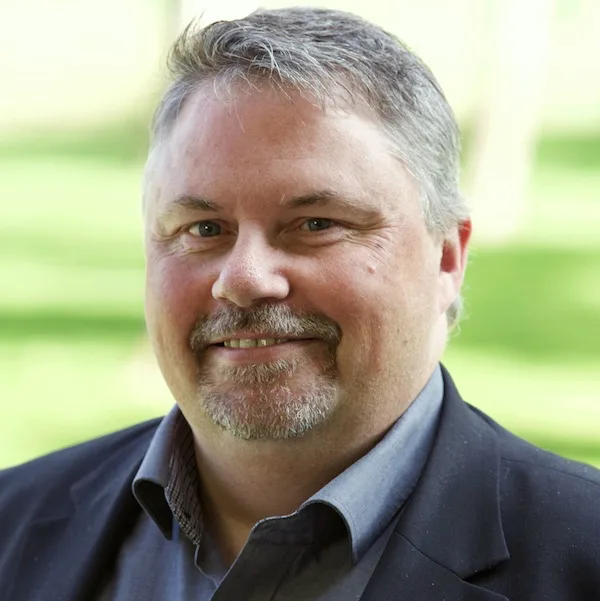
All our online courses can be held as corporate courses

We offer companies physical training at your location or live digital training so you can certify several colleagues at once – quickly and efficiently.
Please fill out and submit this form and we will get back to you with a non-binding offer.
You are also welcome to contact us to learn more.

Top companies develop skills with Mentorix

Send a non-binding inquiry

Your information will be used to contact you and send you relevant training information and a non-binding offer.

Our courses are accredited by the leading learning institutions across the globe

Mentorix ApS is an Accredited Training Organizations (ATO) by APM Group International. The Swirl logo™ Change Management®, AgilePM® are trademarks of the APM Group Ltd., used under permission of the APM Group Ltd. All rights reserved.

PRINCE2®, PRINCE2 Agile®, MoP®, MSP®, M_o_R®, P3O®, ITIL® are a registered trade mark of AXELOS Limited, used under permission of AXELOS Limited. All rights reserved.
The Swirl logo™ is a trade mark of AXELOS Limited, used under permission of AXELOS Limited. All rights reserved.
Copyright © AXELOS Limited 2011. Material is reproduced under license from AXELOS Limited. All rights reserved.

The APMG International Change Management , AgilePM and Swirl Device logo are a trademark of The APM Group Limited, used under permission of The APM Group Limited. All rights reserved.

Mentorix ApS is a SCRUMstudy Authorized Training Partner (ATP). SPOC™, SMC™ og SDC™ are trademarks owned by SCRUMstudy.

AXELOS, PeopleCert, APM Group, and Scrum Study have accredited our courses, materials, and trainers, confirming that they achieve the high standards they require of their training partners.

Get help, advice and answers to your questions

Do you have a question about our courses, prices or anything else? Then give us a call or send your request below.
It’s completely non-binding and you will typically get an answer the same day.

You can call us on all weekdays at 09.00–16.00

Scroll to Top

Har du spørgsmål?

Du er velkommen til at kontakte os på mail eller ringe til os. Åbningstider: Hverdage kl. 09:00 - 16:00. Chatten er åben 24/7.

Add to Cart

PRINCE2 Foundation Certification

Your order:
Split your payment and pay a fixed low price for 12 months 695 DKK per month

We offer you to split your payment for your course into instalments of 695 DKK over 12 months.

  • Full certification – course, and manual
  • 12 months access to all courses
  • Paid monthly via debit card

Total pris 8.340,00 kr. ex. vat

Add to Cart

PRINCE2 Foundation Certification

Your order:

Vælg din betaling for

PRINCE2 Foundation Certification

Månedlig

kr 695 Pr. måned ex. moms
  • Adgang for én bruger
  • 12 mdr adgang til kursus
  • Ubegrænset adgang til indhold
  • Adgang til alle kommende kurser
  • Eksamensvoucher inkluderet*
  • Online manual inkluderet*
  • Voucher på 20% på næste kursus

Årlig

kr 495 Pr. måned ex. moms
  • Adgang for én bruger
  • 12 mdr adgang til kursus
  • Ubegrænset adgang til indhold
  • Adgang til alle kommende kurser
  • Eksamensvoucher inkluderet*
  • Online manual inkluderet*
  • Voucher på 20% på næste kursus
visma logbuy samarbejdspartner

Velkommen til Mentorix

“Velkommen til vores hjemmeside!

Vi er glade for at have Logbuy med os som en samarbejdspartner. Vi sidder altid klar på +45 72 44 12 34 eller [email protected], hvis der skulle være nogle spørgsmål. 

Brug rabatkoden: “Mentorix23” for at få 10% rabat på dit køb.

Tak for at vælge Mentorix!”